

Simcha from the Depths

On January 7, Renee Good used her car to block the street with the uncertain hope that it might slow down or even stop ICE agents from kidnapping people. An agent jumped out, shouting for her to leave. He then quickly drew his gun and fired directly at her head.
The way that Renee showed up to Portland Avenue is exactly the way I wrote about showing up with the launch of the rubble—embracing uncertainty and proceeding to action that may save a life. Renee lost her own in the process.
This murder is weighing heavily on us. The world feels impossible. One of my comrades remarked, “how can we expect people to fight after we fought so hard in 2020 only to find ourselves in worse conditions?” I don’t agree with that political assessment, but I do agree with the emotional sentiment. Our daily conditions feel like they are on a downward spiral with no bottom.
My youngest child had her bat mitzvah the Shabbat after Renee Good’s death. She was being called to the Torah for the first time in her life in a moment of darkness and grief. Like so many Jewish kids before her.
She would make her way to the bimah and chant the words of Parshat Shemot, the beginning of the Exodus story, which begins with the reminder of the growth of the Jewish people against the odds.
וּבְנֵ֣י יִשְׂרָאֵ֗ל פָּר֧וּ וַֽיִּשְׁרְצ֛וּ וַיִּרְבּ֥וּ וַיַּֽעַצְמ֖וּ בִּמְאֹ֣ד מְאֹ֑ד וַתִּמָּלֵ֥א הָאָ֖רֶץ אֹתָֽם
But the Israelites were fertile and prolific; they multiplied and increased very greatly, so that the land was filled with them.” (Exodus 1:7).
Against the odds. Against all attempts to destroy us.
From there, I would step up to the Torah and try to find my voice somewhere deep in my belly so I could call out the words our ancestors gifted to us for moments of hopelessness and terror. Those words tell the story of Shifra and Puah, two midwives who refused death and risked their own lives to protect the babies they were ordered to murder.
וַיֹּ֙אמֶר֙ מֶ֣לֶךְ מִצְרַ֔יִם לַֽמְיַלְּדֹ֖ת הָֽעִבְרִיֹּ֑ת אֲשֶׁ֨ר שֵׁ֤ם הָֽאַחַת֙ שִׁפְרָ֔ה וְשֵׁ֥ם הַשֵּׁנִ֖ית פּוּעָֽהוַיֹּ֗אמֶר בְּיַלֶּדְכֶן֙ אֶת־הָֽעִבְרִיּ֔וֹת וּרְאִיתֶ֖ן עַל־הָאׇבְנָ֑יִם אִם־בֵּ֥ן הוּא֙ וַהֲמִתֶּ֣ן אֹת֔וֹ וְאִם־בַּ֥ת הִ֖וא וָחָֽיָה וַתִּירֶ֤אןָ הַֽמְיַלְּדֹת֙ אֶת־הָ֣אֱלֹהִ֔ים וְלֹ֣א עָשׂ֔וּ כַּאֲשֶׁ֛ר דִּבֶּ֥ר אֲלֵיהֶ֖ן מֶ֣לֶךְ מִצְרָ֑יִם וַתְּחַיֶּ֖יןָ אֶת־הַיְלָדִֽים
The king of Egypt spoke to the Hebrew midwives, one of whom was named Shiphrah and the other Puah, saying, “When you deliver the Hebrew women, look at the birthstool: if it is a boy, kill him; if it is a girl, let her live.” The midwives, fearing God, did not do as the king of Egypt had told them; they let the boys live. (Exodus 1:15-17)
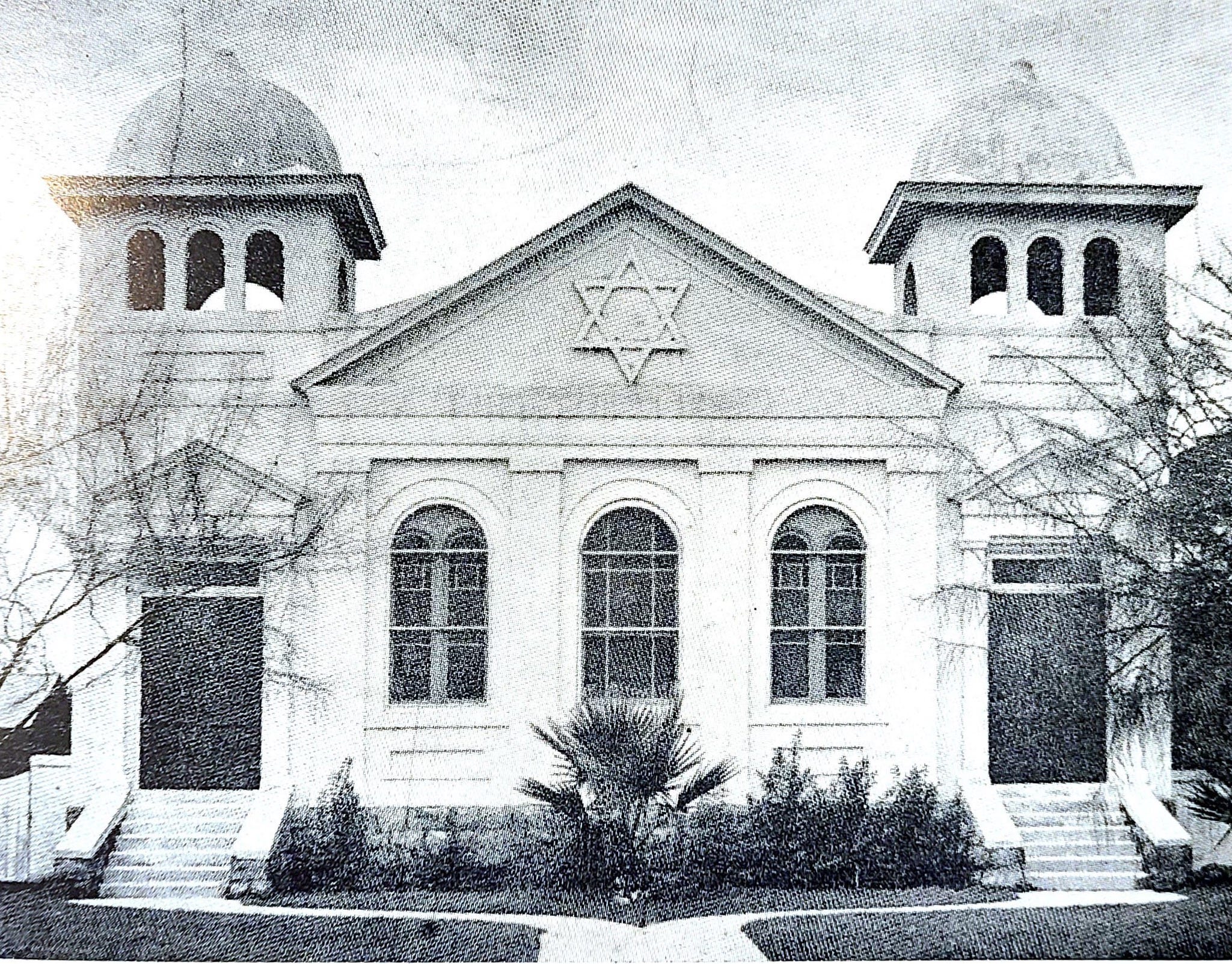
Shifra and Puah were like Renee Good, ordinary mothers who rose to the moment with uncertain hope. I wanted their story to boom through the historic temple building and even if my voice wavered, I wanted it to land on the heart of every person in attendance. We must be like Shifra and Puah and Renee—acting with uncertain hope, not knowing if we will save the life or lose our own, but knowing we cannot do nothing. The stakes are that high. Like the midwives who chose life in the face of death, we too must choose—resistance, but also joy.
I have heard Rabbi Sharon Brous speak about “saying yes to the simcha”—even when our hearts are filled with the deepest seas of grief, we need to say yes to the b’nai mitzvah, the wedding, the baby naming. Joy and grief are sisters, born from the same Divine wisdom, traveling a path woven together in the most intricate fashion. Grief can sit in the room while two brides are lifted onto chairs above dancing loved ones. Simcha arrives into the shiva house by way of laughter and storytelling. They are never far from each other, but we have to say yes—not only to joyous life cycle events, but to the fleeting moments of simcha that enliven our days.
This is the joy Rabbi Alan Lew writes about in This is Real and You Are Completely Unprepared: “When we speak of joy here, we are not speaking of fun. Joy is a deep release of the soul, and it includes death and pain.” Simcha is any feeling fully felt. It is joy that knows intimately what grief tastes like.
Our ancestors grapple with this exact tension in Berachot 30b:
מַאי ״וְגִילוּ בִּרְעָדָה״? אָמַר רַב אַדָּא בַּר מַתְנָא אָמַר רַבָּה: בִּמְקוֹם גִּילָה שָׁם תְּהֵא רְעָדָה
What is the meaning of rejoice with trembling? Rav Adda bar Mattana said that Rabba said: One may not experience unbridled joy; even where there is rejoicing, there should be trembling.
The trembling isn’t a dampening of joy—it’s the recognition that joy and fear, celebration and grief exist together in the same breath. To rejoice with trembling is to hold both at once.
These fleeting moments beg us to pause, even in the street where a woman was murdered days before, and notice that joy continues in this darkness. Hours after Renee Good was killed, people blockaded Portland Avenue, using ordinary items from the neighborhood like trash cans and old pallets and discarded Christmas trees. There was organizing and connection. Tears flowed down cold cheeks and hit the snowy ground, melting small openings. And there was fucking joy. A comrade sent me a photo of his young child, bundled up and smiling while holding a sign: “no more bullies, fuck ice.” This tiny child, not even school aged, knows that bullies have come to their city and intend to hurt people and tear apart families. In the photo of this sweet child, I see their joy alongside the fierce resoluteness that children hold so gracefully.
The Zohar teaches that there is no greater light than the light that emerges from darkness. This wisdom isn’t passive—we have to be willing to see the light, to recognize it, to let it in even when it seems impossible. That light was visible in the temporary blockade of Portland Avenue, a place marred by the loss of life. It was visible in the faces of children, their eyes bright and smiles brighter, and it was visible in the tears of a city brought together by grief and defiance, by loss and deep love for others.
I listened to my daughter give her first d’var Torah. She walked off the bimah to sit next to me, and I burst into messy and joyous tears. It was an ugly kind of simcha—my breath caught in my throat, my face red, tears streaming. When I gave birth to her thirteen years ago in our living room, I drew her immediately up to my chest and wept those same kinds of tears. Tears made of joy, exhaustion, fear, uncertainty, responsibility, elation, euphoria, all mixed together into the most primordial substance–it poured out of me again. She laughed and said, “oh my god, mom, are you crying?” while she drew my face close to her face in a tender embrace.
Renee Good was a poet. An award-winning poet. A writer and mother and queer person who I can see myself reflected in. The kind who gets a rapid response text that ICE is out nearby and just hops in the car, not knowing what she can do exactly, but that she will not do nothing. In her poem “On Learning to Dissect Fetal Pigs,” she wrote:
that the bible and qur’an and bhagavad gita are sliding long hairs behind my ear like mom used to & exhaling from their mouths “make room for wonder”
Make room for wonder. Say yes to the simcha. In the terror of this moment, we must make room for both.
My daughter spent months talking about what version of Hava Nagila would play during the chair dance. The words translate to “let us rejoice.” The song was written in 1918—the final year of World War I, the beginning of the Influenza pandemic, when pogroms in Lwów and Ukraine left thousands of Jews dead. Let us rejoice.
הָבָה נָגִילָה, הָבָה נָגִילָה
הָבָה נָגִילָה וְנִשְׂמְחָה
הָבָה נְרַנְּנָה, הָבָה נְרַנְּנָה
עוּרוּ אַחִים בְּלֵב שָׂמֵחַ
Let us rejoice, let us rejoice
Let us rejoice and be glad
Let us sing, let us sing
Awaken, awaken brothers
Awaken brothers with a cheerful heart.
This isn’t about forced happiness or pretending everything is fine while fascism unfurls its program of death around us. It’s about refusing to let the enormity of the crisis steal our capacity for those brief, bright moments when we feel fully alive.
With my daughter in the chair above us, smiling and laughing and trying not to fall off, friends and family swirl around her, the room filled to its edges and beyond. I’m grabbing hands and pulling people into the swirl. We’re packed in so tightly, new circles are forming, and everywhere I look faces are beaming with simcha. I know these moments are fleeting, so I hold it close to my chest and try to memorize the feeling as my teacher Rabbi Benay Lappe says. “Memorize that feeling,” repeats in my head over and over as I laugh and the spiral sensations of pure simcha leave me dizzy.
In Shemot, liberation doesn’t begin with a miracle. It begins with a groan, a cry, a people still alive enough to feel their pain fully. וַיֵּאָנְחוּ בְנֵי-יִשְׂרָאֵל, מִן-הָעֲבֹדָה, וַיִּזְעָקוּ / “And the children of Israel sighed by reason of the bondage, and they cried out” (Exodus 2:23). Maybe that’s where our liberation begins too—in our willingness to feel everything, including the joy that appears unexpectedly, that we don’t deserve, that makes no sense, but that reminds us we’re still here, still breathing, still capable of response.
Lean into the fleeting simcha when it comes. Don’t wait for things to be improved nor resolved before you allow yourself moments of joy. The joy that includes death and pain, the joy that trembles, the joy that emerges from darkness—that joy is not a betrayal of our grief. It’s how we embody and honor it. It’s how we honor Renee and every person lost, be it in death, imprisonment, or deportation. We honor them by continuing to fight and holding simcha near.
Simcha is any feeling fully felt. In our collective grief, may we feel all the feelings fully and may we notice when simcha sidles up to us, inviting us to notice her.
גִּילוּ בִּרְעָדָה / Rejoice with trembling.